Design Ideas
How to create year-round interest in your garden
The layering principles we use to design gardens that have something beautiful to offer in every month of the year.
2 June 2026
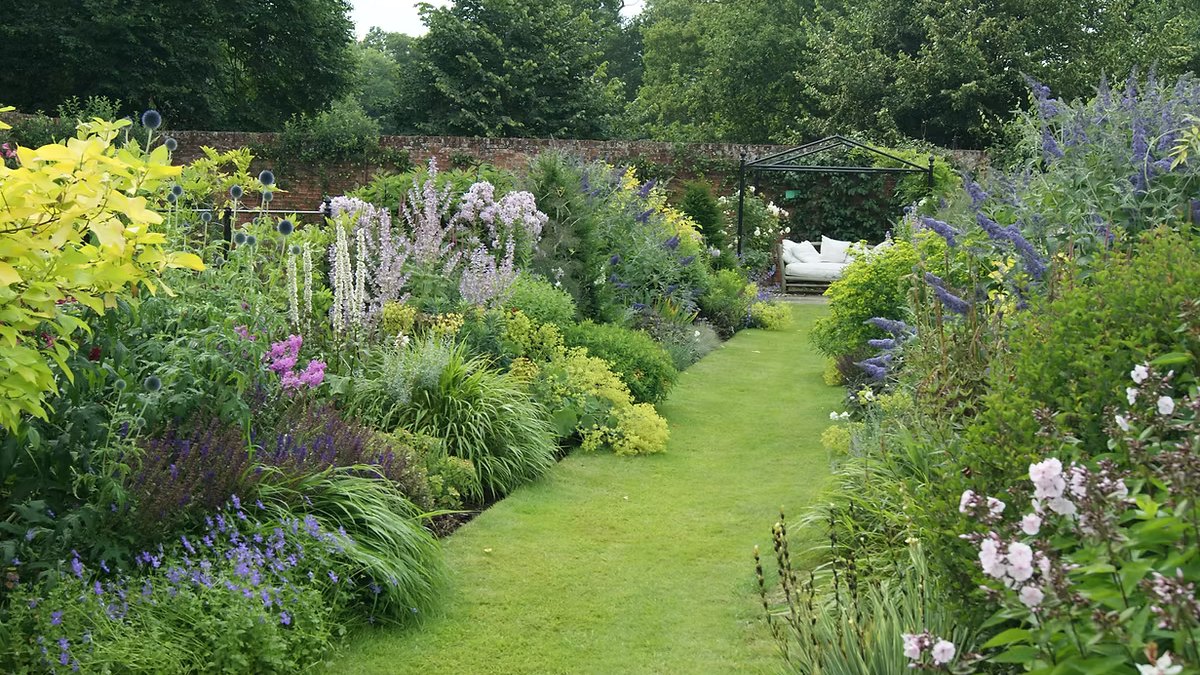
Most gardens peak in June and fade by August. It doesn’t have to be that way. A garden designed in layers of bulbs, perennials, grasses, shrubs and trees has something new to offer every single month. Here’s how we approach it.
Start with the winter skeleton
Design the garden for January first. If it looks good in the depths of winter, with evergreen shapes, interesting bark, strong seedheads and a well-placed bench or pot, it will look good all year. Yew, box alternatives like Ilex crenata, cornus stems and miscanthus all earn their place in the coldest months.
Layer bulbs for the first act
Bulbs are the cheapest, most generous plants you can buy. Snowdrops and aconites in February, daffodils and crocus in March, tulips and alliums in April and May. Plant them in generous drifts through the borders and they’ll carry the garden until the perennials wake.
Choose perennials that hand over the baton
Rather than one big midsummer crescendo, we sequence perennials so something new takes centre stage every few weeks: pulmonarias and hellebores, then geums and aquilegias, then the June abundance of roses and salvias, then the late-season stars of echinacea, heleniums, asters and sedums that run right into October.
Let grasses carry the autumn
Ornamental grasses are the great gift to the autumn and winter garden. Calamagrostis, miscanthus and molinia rise through summer, flower in early autumn and then stand as golden architecture until February, catching every low ray of sun and every frost.
Resist the autumn tidy-up
The biggest mistake we see: cutting everything down in October. Those seedheads and skeletons are the winter garden, and food and shelter for birds and insects too. We cut back once, in late February, just before the bulbs come through.
Think in 12 pictures
When we design a planting plan, we sketch the same border twelve times, once for every month. If any month looks empty, we adjust. It’s a simple discipline that transforms how a garden performs.
Curious what your garden could look like in every season? Book a consultation and let’s walk it together.